Are you at risk for tooth erosion?
September 25th, 2019

Many people consume carbonated or sugary drinks and acidic foods every day but have no idea those beverages may be harming their teeth, making them vulnerable to tooth erosion. The acid in the foods we eat and drink can cause tooth enamel to wear away, making your teeth sensitive and discolored. Dr. Peter Vogel will tell you that in many cases, what’s important is not what you eat and drink, but rather how you consume it.
What is tooth erosion?
Tooth erosion is the loss of tooth structure caused by the weakening of dental enamel, which is the strongest substance in the human body. Enamel is the thin, outer layer of hard tissue that helps maintain the tooth’s structure and shape. When the enamel is weakened, it exposes the underlying dentin, causing your teeth to appear yellow.
What causes tooth erosion?
Tooth erosion may occur when the acids in the foods and beverages you eat and drink, as well as other factors we will discuss later, weaken the enamel on your teeth. Typically the calcium contained in saliva will help remineralize (strengthen) your teeth after you consume foods or drinks that contain some acid. However, the presence of a lot of acid in your mouth does not allow for remineralization to happen.
Acid can come from many sources, including the following:
- Drinking carbonated or fruit drinks. All soft drinks (even diet varieties) contain a lot of acid and are capable of dissolving enamel on your teeth. Bacteria thrive on sugar and produce high acid levels that can eat away at enamel.
- Eating sour foods or candies. All those sour candies may taste great, but these treats can be acidic to your teeth. Sour and fruity candy, such as Starburst and Skittles, are the worst for your teeth since these candies have a low pH value, which is known to ruin enamel.
- Low saliva volume. Saliva helps prevent decay by neutralizing acids and washing away leftover food in your mouth.
- Acid reflux disease. Acid reflux, or GERD, brings stomach acids up to the mouth, where the acids can erode enamel.
- Bulimia or binge drinking. These conditions can cause tooth damage because they frequently expose teeth to stomach acids.
- Wear and tear. Brushing your teeth too vigorously or grinding your teeth at night can erode enamel.
What are the symptoms of tooth erosion?
Acid wear may lead to serious dental problems. When your tooth enamel erodes, your teeth become more vulnerable to cavities and decay, and you may begin noticing the following symptoms:
- Severe sensitivity or tooth pain when consuming hot, cold, or sugary foods or drinks
- Tooth discoloration
- Rounded teeth
- Transparent teeth
- Visible cracks in teeth
- Cupping, or dents, that show up on the biting or chewing surfaces of the teeth
What you can do to prevent tooth erosion
- Reduce or eliminate altogether your consumption of carbonated drinks. Instead, sip water, milk, or tea.
- If you must consume acidic drinks, drink them quickly and be sure to use a straw so that the liquid is pushed to the back of the mouth. Don’t swish them around or hold them in your mouth for a long period of time.
- Instead of snacking on acidic foods throughout the day, we suggest eating these foods just during meal times in order to minimize the amount of time the acid makes contact with your teeth.
- After consuming highly acidic food or drinks, rinse with water to neutralize the acids.
- Chew sugar-free gum to produce more saliva, as this helps your teeth remineralize.
- Brush with a soft toothbrush and be sure your toothpaste contains fluoride.
- Drs. Peter Vogel, Paul Owens may also recommend daily use of a toothpaste to reduce sensitivity (over-the-counter or prescription strength) or other products to counter the effects of erosion.
It’s important to know that the majority of dental problems, such as tooth erosion, do not become visible or painful until they are advanced. And, unfortunately, serious oral issues are painful and expensive to treat. A deep cleaning twice a year by our team at Daisy Mountain Dentistry is the best way to hit all the spots you may have missed with brushing and flossing and prevent any issues that may have gone unseen.
Make sure your teeth get the professional attention they deserve! If you are overdue for your next checkup or cleaning, please give us a call to schedule an appointment at our conv
I don't brush while I'm at work. Should I?
September 18th, 2019

Yes, absolutely. A recent survey by Oral-B® reveals that despite knowing that a healthy, good-looking smile affects not only their personal wellness but their professional image as well, very few people (only 14 percent) brush and floss at the office regularly. What’s more, three quarters of people who responded to the survey said they ate twice or more a day at work.
Today, Dr. Peter Vogel and our team thought we would provide some tips for brushing at work.
- Leave a toothbrush at work to increase your likelihood of brushing
- Brush your teeth twice a day with fluoride toothpaste. Replace your toothbrush every three or four months, or sooner if the bristles are frayed. A worn toothbrush won’t do a good job of cleaning your teeth.
- Clean between teeth daily with floss or an interdental cleaner; this helps remove plaque and food particles from between the teeth and under the gum line. Tooth decay-causing bacteria still linger between teeth where your toothbrush bristles can’t reach.
And remember to brush for 30 to 45 seconds across visible parts of the teeth. Brushing after breakfast or lunch will eliminate any remaining food particles and odors. We recommend people brush their teeth twice and floss once a day to remove plaque and other harmful bacteria.
To schedule your next appointment with Dr. Peter Vogel at our Anthem office, please give us a call!
The Most Common Causes of Gum Disease
September 11th, 2019

Unless you're aware of the signs and symptoms of gum disease and how it's caused, it's possible that you may have unknowingly developed it. Often painless, gum disease -- or periodontal disease -- becomes progressively more serious when left untreated. As you learn more about the common causes of gum disease, you'll be better-equipped to maintain the best oral health possible.
Gingivitis & Periodontitis: Common Causes of Gum Disease
- Bacteria & Plaque. Bacteria in the mouth creates a sticky film over the teeth. Good hygiene practices help remove the bacteria and the plaque they cause. When plaque is not removed, it develops into a rock-like substance called tartar. This can only be removed by a dental professional.
- Smoking & Tobacco. If you're a smoker or use tobacco, you face a higher risk of developing gum disease. Additionally, tobacco use can lead to stained teeth, bad breath, and an increased risk of oral cancers.
- Certain Medications. Some medications that are taken for other health conditions can increase a person's risk of developing gum disease. If you take steroids, anti-epilepsy drugs, certain cancer therapy medications, or oral contraceptives, speak to Drs. Peter Vogel, Paul Owens about how to maintain healthy gums.
- Medical Conditions. Certain medical conditions can impact the health of your gums. For instance, diabetics face an increased risk of gum disease due to the inflammatory chemicals present in their bodies. Always talk to our team about other health conditions to ensure we take that into account when treating you.
Take a Proactive Stance
Good oral hygiene practices and regular visits to our Anthem office can help you eliminate or reduce the risks of developing gum disease. A thorough cleaning with your toothbrush and dental floss should take about three to five minutes. Brush your teeth a minimum of twice per day and floss at least once each day. Keep these tips in mind and you’ll be ready to prevent gum disease.
Some Benefits to Giving Your Smile an Extra Boost
September 4th, 2019
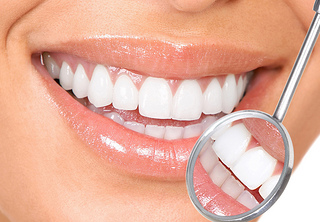
For many individuals, autumn brings with it a number of new beginnings. Fall is the time that many people return to school, get back to the daily grind after an enjoyable summer, and even get married. As the weather cools down, it’s easier to enjoy the outdoors. And regardless of what fall-related events are on your calendar, Drs. Peter Vogel, Paul Owens and our team at Daisy Mountain Dentistry know you’ll want to look your best.
One of the very first things that people will notice about you is your smile. And if yours has become less dazzling over the years — as teeth tend to do — you know how disappointing it is not to have the beautiful, pearly white look you’re used to.
Benefits to Teeth Whitening
For school-bound students and autumn brides, fall calendars are certainly filled. School and weddings call for large financial investments, loads of social interaction, and a large amount of personal dedication. So the last thing any bride or student wants to think about is a less-than radiant smile.
For many, there is a lack of confidence associated with their smile and investing in teeth-whitening techniques can be an effective solution. Studies suggest that not only can you experience a boost in your level of confidence, but also you may find that other advantages quickly fall into place.
A confident smile can affect:
- Personal and work-related relationships
- Job interviews and meetings
- Success when dealing with customers and potential clients
- Your personality and general happiness with your age
- Overall outlook on daily interactions
A Real Effect on Daily Living
All of these benefits can relate directly to how you see yourself. When you are insecure with something as prominent as your smile, it can affect the way that you handle your life, everything from social gatherings to professional situations.
Now is the perfect opportunity to rejuvenate your smile. With the right teeth-whitening product and regular hygienic practices, walking down the aisle or starting the new semester with the utmost confidence has never been easier.